Floral waste disposal and recycling rules Green Lanes Haringey
Posted on 11/10/2026
If you run a florist, manage events, or simply end up with a lot of cut stems, packaging, and tired bouquets, Floral waste disposal and recycling rules Green Lanes Haringey can feel oddly specific until it suddenly becomes very important. One minute it is a few wilting roses in a back room; the next it is a bin that smells sweet and damp, cardboard piling up, and a question about what should be reused, recycled, or put out as general waste. Truth be told, the details matter more than most people expect.
This guide breaks down the practical side of floral waste handling in Green Lanes, Haringey in clear English. You will learn what counts as floral waste, how local recycling choices usually work, what best practice looks like for shops and households, and how to avoid the common mistakes that lead to messy bins, higher disposal costs, or avoidable compliance headaches. It is written for real life, not a textbook.
- Why Floral waste disposal and recycling rules Green Lanes Haringey Matters
- How Floral waste disposal and recycling rules Green Lanes Haringey Works
- Key Benefits and Practical Advantages
- Who This Is For and When It Makes Sense
- Step-by-Step Guidance
- Expert Tips for Better Results
- Common Mistakes to Avoid
- Tools, Resources and Recommendations
- Law, Compliance, Standards, or Best Practice
- Options, Methods, or Comparison Table
- Case Study or Real-World Example
- Practical Checklist
- Conclusion
- Frequently Asked Questions
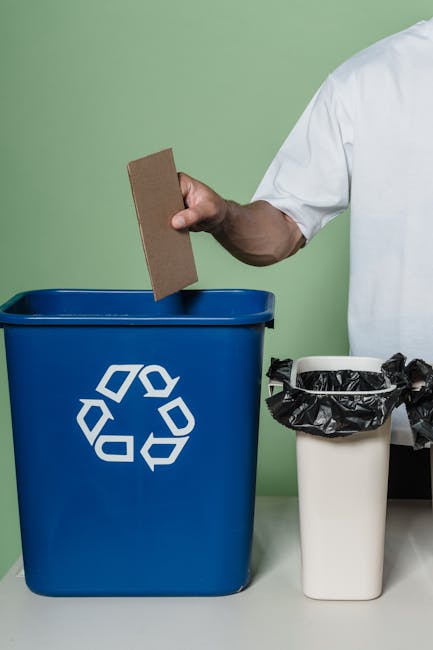
Why Floral waste disposal and recycling rules Green Lanes Haringey Matters
Floral waste is not just "plant stuff." In day-to-day practice it often includes mixed materials: stems, leaves, soil, broken pots, ribbon, cellophane, paper wraps, water tubes, foam, tape, and the odd thorny stem that seems determined to escape the bag. That mix is exactly why disposal rules matter. Different materials need different treatment, and if they are all thrown together, recycling can become impossible fast.
In a busy area like Green Lanes, where shops, cafes, homes, and small businesses sit close together, waste can become visible very quickly. A tidy florist or event team is easier for customers to trust. A cluttered waste area? Not so much. And if you have ever opened a back bin on a warm afternoon, you already know why better handling is worth the effort.
There is also a wider environmental point. Flowers are beautiful, but once they have passed their best, the way they are disposed of affects landfill volumes, contamination rates, and how much material can be recovered. Compostable green waste, recyclable cardboard, and reusable packaging all help reduce the burden on general waste systems.
For local businesses, good practice can also support smoother operations. Less contamination means fewer rejected bins. Better separation can make collections cleaner. And for households ordering flowers or clearing out old arrangements, it simply makes the job more manageable. Small win, but a real one.
How Floral waste disposal and recycling rules Green Lanes Haringey Works
At a practical level, floral waste disposal usually works by separating the waste stream before it reaches the bin lorry. That sounds obvious, yet it is where a lot of problems begin. The main idea is simple: put each material into the right stream as early as possible.
Fresh flowers, leaves, and untreated plant matter are often suitable for composting or green waste routes where these are available. Clean cardboard can go into paper and cardboard recycling. Plastic wrapping may be recyclable only if it is clean and accepted by the local collection system. Foam, glitter, mixed material bows, and heavily contaminated items often end up in general waste because they cannot be sensibly recovered.
For florists in Green Lanes, the best approach is to sort waste in the work area, not after everything has already been dumped into one sack. That means a dedicated caddy or crate for green waste, a separate box for cardboard, and a clearly labelled bin for residual waste. If staff can see the system in front of them, it is far more likely to be used properly. Simple, yes. But simple is often what works.
For households, the principle is much the same, although on a smaller scale. Remove obvious packaging first. Keep flowers separate from clingy plastic sleeves and gift bags. If stems and leaves are accepted in garden or food-and-garden style collections, use those. If not, they may have to go in general waste, depending on local arrangements. The key is to check what your local collection service actually accepts rather than guessing.
And a small but important note: a florist bucket full of flower water, preservative residue, and stems is not the same thing as a neat pile of dry green waste. Wet waste can be heavier, messier, and more likely to smell. Plan for that. It saves grief later.
Key Benefits and Practical Advantages
Getting floral waste disposal right is not only about compliance. It also makes the whole operation calmer and cleaner. That may sound a bit grand, but anybody who has sorted a late-day back room knows the difference a proper system makes.
Better hygiene: Wilted blooms, standing water, and soft foliage can create odours and attract pests. Keeping waste moving out on a schedule reduces that risk.
Lower contamination: The cleaner your waste streams are, the more likely recyclable material stays recyclable. A greasy or wet cardboard box is far less useful than a clean one.
Smoother workflow: Staff waste less time wondering where things go. That matters in a florist or event setting where the pace can be surprisingly fast.
Improved presentation: Customers do notice. A tidy disposal area quietly signals competence, and a tidy shop usually feels more trustworthy.
Better environmental outcomes: Green material that can be composted or reused keeps more organic matter out of general waste. That is good practice, full stop.
Lower disposal pressure: If you separate cardboard, plant waste, and reusable materials, you reduce the volume going into the most expensive or least useful bin. Over time, that can make a measurable difference.
There is also a human side to it. Staff generally prefer systems that are clean, obvious, and not a faff. If people can do the right thing in three seconds, they usually will. If it takes six steps and a guess? Less so.
Who This Is For and When It Makes Sense
This topic is relevant to more people than you might think. Yes, florists need it. But so do event planners, wedding venues, office managers, funeral directors, market stalls, hospitality businesses with floral displays, and households with regular flower deliveries.
If you operate a flower shop in or around Green Lanes, you will likely deal with a steady flow of organic waste and packaging. If you run events, you may see one-off spikes after weddings, memorial services, or seasonal celebrations. And if you are simply a customer who loves fresh flowers, you may still want to know the easiest way to dispose of the remains without sending the wrong thing to the wrong bin.
It makes particular sense when:
- you are producing floral waste every week rather than once in a blue moon
- your waste includes mixed materials, not just stems
- you want a tidier front-of-house or back-of-house area
- you are trying to reduce general waste volume
- you want staff or household members to follow the same routine consistently
One practical reality: floral waste decisions are easiest when made before the flowers start fading. Once a bouquet has dropped petals across the counter and the water has gone cloudy, everybody becomes less patient. You know how it is.
Step-by-Step Guidance
If you want a straightforward process, use this sequence. It works well for most small and medium floral operations, and it also helps households stay organised.
- Sort the waste at the point of removal. Do not leave everything in one mixed bag. Pull out packaging, plastic supports, ribbons, and reusable bits first.
- Separate green material from dry recyclables. Flowers, leaves, and stems belong in the green or organic stream where accepted. Clean cardboard should stay dry and separate.
- Check for contamination. If cardboard is soaked with water or stained with residue, it may no longer be recyclable. Same with paper sleeves covered in glue or tape.
- Keep hazardous or awkward items apart. Broken glass vases, sharp wire, and some decorative materials need care. Do not toss them casually into open bins.
- Use the right containers. A lidded caddy, lined bin, or sturdy crate helps contain mess. For florists, this is where decent organisation pays for itself.
- Store waste safely until collection. Keep bags tied, bins closed, and waste away from customer areas. Especially in warmer weather.
- Review what is actually being thrown away. If you keep seeing the same contamination issue, adjust the system. Maybe the team needs a bigger cardboard box or clearer labels.
That is the skeleton of it. The details will vary depending on your setup, but the habit is the same: separate early, store cleanly, and collect consistently.
Practical rule of thumb: if an item can be cleaned and reused, it probably should be. If it is organic and accepted by your local waste route, keep it with organics. If it is mixed, dirty, or non-recyclable, keep it out of recycling. Simple enough, although real life sometimes likes to argue back.
Expert Tips for Better Results
After you have dealt with enough floral waste, a few patterns become obvious. These are the little things that keep systems running smoothly.
Use colour-coded bins or labels. People respond faster to a visual cue than to a wall of text. Green for organics, blue or clear labelling for dry recyclables, black or neutral for residual waste. Nothing fancy needed.
Keep waste stations close to the work. If staff need to walk across the shop to bin every stem, they will not do it consistently. Put bins where the waste is created.
Pre-break down cardboard. A flat box takes up less space and makes recycling far easier. It sounds tiny, but it prevents the "bin full but not really full" problem.
Train for the odd items too. Everyone knows where a rose stem goes. Fewer people know what to do with soaked floral foam, wired decorations, or a half-empty sleeve of mixed material wrapping. Tell them once, properly, and repeat it in the first week.
Watch seasonal peaks. Valentine's Day, Mother's Day, wedding season, Christmas, and local event periods can create sudden spikes. Plan for the surge rather than reacting when the back room already looks like a small jungle.
Build habits around collection days. If collections happen on a certain weekday, time your tidy-up and waste sorting before then. That way organic waste does not sit around too long.
Keep reusable items visible. Jars, boxes, vases, and display materials can often be repurposed. If they go straight into a hidden bin, they are gone for good. And that is a waste, literally.
One more thing: if you are unsure whether a decorative item is recyclable, do not guess. Guessing is how good recycling streams get contaminated. A short check beats a whole bag of wrong material.
Common Mistakes to Avoid
A lot of floral waste problems come from a few recurring mistakes. Once you spot them, they are easy enough to fix.
- Mixing organic waste with plastic wrap. This is probably the biggest one. Even a little wrapping can ruin a whole batch of otherwise recyclable material.
- Leaving water in vases or buckets. It adds weight, causes spills, and makes bins smell unpleasant. Drain first whenever possible.
- Recycling dirty packaging. Cardboard that is wet, stained, or heavily taped may not be suitable for recycling.
- Ignoring sharp materials. Wire, broken glass, and plastic stems can cause injuries if thrown in carelessly.
- Using one bin for everything. It feels quicker in the moment. It causes more work later.
- Forgetting about staff consistency. One person sorts carefully, another throws everything together, and the whole system falls apart. Annoying, but common.
There is also the quiet mistake of overcomplicating things. A waste system does not need to be a masterpiece. It needs to be used. The best setup is the one everyone can follow on a busy Tuesday afternoon when the phone is ringing and the floor is damp near the sink. Real world, not theory.
Tools, Resources and Recommendations
You do not need specialist kit to manage floral waste well, but a few practical tools make life easier.
- Separate bins or tubs: one for green waste, one for dry recyclables, one for residual waste.
- Clear labels: text and colour together work better than text alone.
- Sturdy bin liners: especially for wet or heavy green waste.
- Cardboard cutters or box openers: useful for breaking down delivery packaging safely.
- Gloves and handwashing supplies: basic, but easy to overlook during a rush.
- Storage crates or reusable containers: helpful for packaging and items meant for reuse.
If you are a business in Green Lanes, it is also worth keeping a simple waste log for a few weeks. Nothing elaborate. Just note what is being thrown away most often, what is recyclable, and where contamination appears. That kind of record helps you spot easy wins, especially if disposal costs are higher than they need to be.
For customers ordering flowers, a practical recommendation is to separate the bouquet into three groups before disposal: reusable vase or container, recyclable paper or cardboard, and plant material. It takes under a minute once you are used to it.
If you are browsing flower options for events or gifts, you may also find it useful to think ahead about presentation materials. For example, arrangements with simpler wraps or reusable containers often create less waste at the end. Pages like sustainability and flower care can support a more low-waste approach from the start.
Law, Compliance, Standards, or Best Practice
Waste handling in the UK is shaped by general legal duties, local collection rules, and standard environmental best practice. The exact rules that apply to your situation depend on whether you are a household, a small business, or a larger commercial operation. So, a careful note here: do not assume that because one material is recyclable in principle, it will be accepted in every collection route.
For businesses, the main compliance idea is simple: waste must be stored, separated, and transferred responsibly. That usually means preventing contamination, using suitable containers, and keeping records where required. If you produce commercial waste, you should not mix it casually with domestic waste. You should also know what your collector accepts before filling the bin with mixed floral material and hoping for the best.
For organics, best practice is to keep plant-based waste as clean as possible. The cleaner the stream, the better the chances of recovery or composting. For packaging, the rule of thumb is to keep dry, clean cardboard and paper apart from plastics and mixed materials. Wet or contaminated material usually becomes residual waste.
There is also a standards-and-good-practice angle that matters in day-to-day work. Even where a material may be technically recyclable, it should only be placed in a recycling stream if it is likely to be accepted by that stream in the condition it is in. That avoids rejection, transport inefficiency, and the slightly soul-destroying experience of seeing a full recycling bin sent back because it was contaminated. Nobody enjoys that.
If you operate from a shared premises, market unit, or event venue, it is sensible to agree disposal responsibilities in writing. Who removes the waste? Who supplies the bins? Who separates the packaging? These are small questions that save bigger arguments later.
Options, Methods, or Comparison Table
Not every floral waste stream needs the same treatment. Here is a simple comparison to help you decide.
| Waste type | Best route | Typical issues | Practical note |
|---|---|---|---|
| Fresh stems, leaves, petals | Green waste or organics collection where accepted | Moisture, odour, volume | Drain and separate from packaging first |
| Clean cardboard boxes | Cardboard recycling | Wet patches, tape, labels | Flatten boxes and keep them dry |
| Plastic wrapping and sleeves | Only recycle if accepted and clean | Mixed materials, contamination | When in doubt, keep out of recycling |
| Ribbon, foam, glitter, mixed decor | Usually residual waste | Not recyclable in mixed form | Separate early to avoid contaminating other streams |
| Reusable vases, jars, crates | Wash and reuse or redistribute | Breakage, storage space | Keep a visible reuse area so items do not get binned by mistake |
If you want the lowest-effort system, separate only what you are confident can go cleanly into a recycling or organic stream. If you want the highest recovery, you need tighter sorting and better staff habits. That is the trade-off, really.
Case Study or Real-World Example
Here is a realistic local example. A small florist serving Green Lanes had a regular problem after weekend weddings: mixed waste piles building up by Monday morning. The team had one main bin, so stems, cardboard, wrapping, and water-soaked filler all ended up together. By the time the collection arrived, the bin was heavy, messy, and frustrating to move.
They changed three things. First, they added a separate crate for cardboard and shipping packaging. Second, they kept a lidded container for green waste right beside the prep bench. Third, they started draining vases and buckets before disposal, instead of tipping everything into the same liner. Nothing dramatic. No expensive redesign. Just a few sensible adjustments.
Within a couple of weeks, the back room was tidier, the smell issue had eased, and staff had fewer arguments about where things should go. The biggest surprise? The florist stopped losing usable boxes and jars into general waste. Small change, but it made the whole place feel calmer.
That kind of result is common because floral waste problems are usually process problems, not technical ones. The right process makes the difference.
Practical Checklist
Use this checklist before collection day or after a busy event. It keeps things simple.
- Have flowers, stems, and leaves been separated from packaging?
- Have all reusable vases, jars, and containers been set aside?
- Is clean cardboard flattened and stored dry?
- Has any contaminated or soaked packaging been removed from recycling?
- Are ribbon, foam, wire, and mixed decor isolated from organic waste?
- Are waste bins clearly labelled and easy to reach?
- Are bags tied and bins closed to reduce odours and spills?
- Has the team been reminded of any unusual waste items from this week?
- Is the collection area safe, tidy, and out of customer view where possible?
- Have you checked the local acceptance rules for any uncertain material?
Quick summary: keep organic material separate, keep recyclables clean, keep mixed items out of the wrong bin, and review what keeps causing trouble. Do that consistently and the whole thing becomes much easier.
Get a free quote today and see how much you can save.
Conclusion
Floral waste may look minor at first glance, but in Green Lanes it can become a very real part of how tidy, efficient, and responsible your home or business feels. The basic idea behind Floral waste disposal and recycling rules Green Lanes Haringey is not complicated: separate materials early, keep organics clean, protect recyclable packaging from contamination, and use the right waste route for the right item.
That approach saves time, reduces mess, and supports better environmental outcomes. It also makes day-to-day life less fiddly. And let's face it, fewer fiddly systems is usually a win.
Whether you manage a florist counter, coordinate events, or just want to handle a spent bouquet properly at home, a clear system will serve you well. Start small, keep it practical, and adjust as you notice what actually happens in real use. That is usually where the best results come from.
There is something quietly satisfying about doing this well: the shop looks calmer, the bins behave themselves, and the workday ends without that sour little waste-room feeling. Not glamorous, perhaps. But definitely better.
Frequently Asked Questions
What counts as floral waste in Green Lanes Haringey?
Floral waste usually includes cut flowers, leaves, stems, damaged arrangements, dead bouquets, and related organic material. In practice it can also include packaging, ribbons, plastic sleeves, floral foam, twine, and broken containers, although those items may need different disposal routes.
Can I put old flowers in my garden waste bin?
Sometimes, yes, but it depends on what your local collection accepts. Pure plant material is often suitable for organic or garden-style collections, while mixed waste, plastic wrapping, and contaminated items usually are not. Check the accepted materials for your collection route rather than assuming.
Are flower wraps and sleeves recyclable?
Only if they are clean and accepted by the recycling stream you use. Some paper wraps may be recyclable if dry and uncontaminated. Many plastic sleeves and mixed-material wraps are more difficult. If there is any doubt, keep them out of recycling to avoid contamination.
What should florists do with wet cardboard?
Wet cardboard is often a problem because moisture weakens the fibres and may make it unsuitable for recycling. If it is heavily soaked or contaminated, it may need to go in residual waste. Keeping cardboard dry in storage is the best prevention.
Is floral foam recyclable?
In most cases, floral foam is not treated as a recyclable material in normal household or shop recycling streams. It is usually managed as residual waste unless a specialist route is available locally. It is best not to mix it with clean organic material or cardboard.
How can a flower shop reduce waste costs?
The easiest way is to separate recyclable cardboard, reuse suitable containers, and keep organic waste out of general rubbish. The cleaner each waste stream is, the less likely you are to pay for unnecessary mixed waste disposal. Small changes add up faster than you might expect.
What is the best way to store floral waste before collection?
Use lidded or tied containers, keep waste away from customer areas, and avoid leaving damp material in the open for too long. For green waste, drainage and ventilation help. For cardboard, dry storage is key. A tidy staging area makes the whole process easier.
Do homes and businesses follow the same rules?
The basic sorting logic is similar, but businesses usually have stricter duties and more frequent waste volumes. Households generally follow local household collection rules, while businesses should check commercial waste arrangements and ensure they separate waste responsibly. The principle is the same; the obligations can differ.
How often should floral waste be removed from a shop?
That depends on volume, weather, and collection timing, but frequent removal is usually best. In warmer conditions, daily clearance of organic waste is often sensible. If you wait too long, odours and spills become much more likely. Nobody wants that smell hanging around in the afternoon.
What are the most common mistakes with floral waste disposal?
The biggest mistakes are mixing organic waste with plastic packaging, putting contaminated cardboard into recycling, ignoring water and residue, and failing to separate reusable items. Most of these problems come from rushed routines, which is why simple, visible systems work so well.
Can floral waste be composted?
Fresh plant material often can be composted or collected as organic waste if your local route accepts it. However, compostability depends on the collection system and on what else is mixed in. Anything with plastic, wire, foam, or heavy contamination may not be suitable.
Where should I start if my current waste system is messy?
Start by separating just three things: green waste, clean recyclables, and residual waste. Add labels, move bins closer to the work area, and remove the most obvious contamination first. Once that is stable, you can improve the system further. Keep it simple at the start.