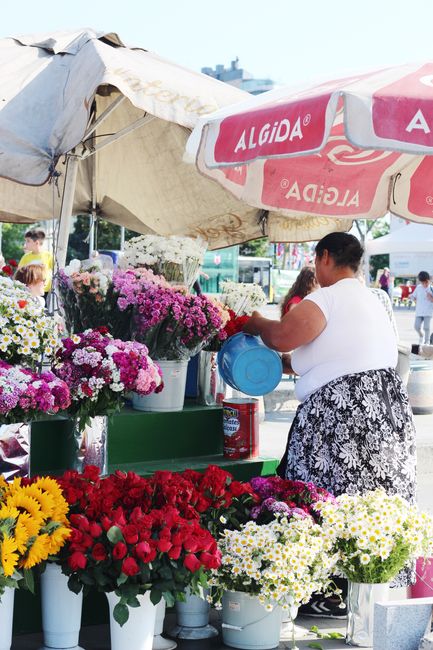
Street trading rules for flower stalls in Haringey
Posted on 03/10/2026
If you are planning a flower stall in Haringey, the rules can feel a bit more complicated than the display table, buckets, and ribboned wraps you actually want to focus on. Fair enough. A good-looking stall is only half the job. The other half is making sure your trading is lawful, practical, and set up in a way that avoids a knock on the door from enforcement officers or a frustrating delay just when sales are picking up.
This guide explains the street trading rules for flower stalls in Haringey in plain English. You will learn how street trading typically works, why compliance matters, what to check before setting up, and how to avoid the common mistakes that catch out new traders. We will also cover best-practice points for presentation, stock handling, and customer experience, because a stall that looks calm and well-run tends to sell better too.
Table of Contents
- Why Street trading rules for flower stalls in Haringey Matters
- How Street trading rules for flower stalls in Haringey Works
- Key Benefits and Practical Advantages
- Who This Is For and When It Makes Sense
- Step-by-Step Guidance
- Expert Tips for Better Results
- Common Mistakes to Avoid
- Tools, Resources and Recommendations
- Law, Compliance, Standards, or Best Practice
- Options, Methods, or Comparison Table
- Case Study or Real-World Example
- Practical Checklist
- Conclusion
- Frequently Asked Questions
Why Street trading rules for flower stalls in Haringey Matters
Street trading rules matter because a flower stall is not just a business with petals and pretty wrapping paper. It is a business using public space, serving passing footfall, and often working in areas where pedestrians, buses, parked vehicles, deliveries, and nearby shops all overlap. That means your setup has to be more than attractive. It has to be safe, lawful, and considerate.
In practical terms, the rules protect three things: the public, neighbouring traders, and your own business. Public pavements need to stay accessible. Customers need to be able to stop without causing a bottleneck. Other businesses should not be blocked by your display. And you need the certainty of knowing you are trading in the right place, with the right permissions, rather than hoping for the best. Let's face it, hope is not a licensing strategy.
For flower stalls in Haringey specifically, the local context matters. Busy London streets can be very different from a quieter suburban pitch. A stall near a station, market area, or high street may face higher footfall, but also tighter controls, more competition, and greater scrutiny over obstruction, waste, and hours of operation. If you get the basics right from the start, the whole thing becomes easier.
Expert summary: if you want a flower stall to work well in Haringey, treat compliance as part of the business model, not an afterthought. The stall should be legal first, beautiful second. Ideally both, of course.
How Street trading rules for flower stalls in Haringey Works
Street trading normally means selling goods in a street, on a pavement, or from another public place. For a flower stall, that might include hand-tied bouquets, single stems, seasonal arrangements, sympathy flowers, wedding orders for collection, or pre-packed gift flowers. The exact permission required can depend on where you trade, how often you trade, and whether the location is controlled by local rules, a market operator, or another landowner.
In a borough like Haringey, the practical process often starts with checking whether the intended pitch is permitted for street trading, whether a licence or consent is needed, and whether there are any restrictions on size, hours, goods sold, or stall placement. Some areas may be more suitable for temporary trading than permanent trading. Others may simply not be available at all.
There is also the issue of the physical stall itself. A flower stand can be a simple table, a sheltered cart, a refrigerated unit, or a branded display with buckets and signage. But whatever form it takes, it must not create danger, nuisance, or obstruction. A lovely row of lilies is no use if it narrows the pavement so much that prams and wheelchair users have to edge around it awkwardly.
One thing many new traders underestimate is how many other rules sit beside the street trading permission. You may also need to think about waste disposal, public liability cover, electrical safety if you use lighting or refrigeration, and your obligations around food-adjacent items if you sell extras such as chocolates or cards. It all adds up, though once it is organised, it becomes routine.
If your business is already selling flowers through a shop or delivery model, you may find it useful to compare how your street setup fits with your wider offer. Pages like flower shops in Haringey and flower delivery in Haringey can help you think about whether the stall is a stand-alone sales channel or part of a broader local strategy.
Key Benefits and Practical Advantages
At first glance, licensing and compliance can feel like a burden. Truth be told, they can also be a competitive advantage. A well-run, properly permitted flower stall tends to feel more trustworthy to customers. People notice when a stall is tidy, positioned safely, and clearly operating within the rules.
Here are the main practical advantages:
- Reduced risk of enforcement action - fewer surprises, fewer interruptions, less stress.
- Better customer confidence - a lawful, neat stall gives the impression of reliability.
- More predictable trading - once permissions and boundaries are clear, you can plan stock and staffing properly.
- Improved local relationships - nearby businesses and residents are more likely to be supportive when the stall is well managed.
- Cleaner brand image - especially important if you are selling premium bouquets or specialist arrangements.
There is also a quieter benefit that is easy to miss: rules help you design a better stall. If you know how much space you can use, where customers can stand, and what storage you need, you can build a display that works rather than one that just looks good in a photo.
For example, if you know you will be selling seasonal bunches, funeral tributes, or corporate arrangements, you can organise stock by purpose rather than mixing everything together. That makes the customer journey much smoother. A passer-by on the way to work does not want to hunt through five different buckets. They want a clean, readable display and a quick decision.
Who This Is For and When It Makes Sense
This guide is useful for several types of trader. Some are seasoned florists adding a street-facing sales point. Others are starting fresh and trying to work out whether a flower stall is realistic in Haringey. A few may already be trading informally and now want to regularise the setup properly.
You will find this especially relevant if you are:
- opening a flower stall on or near a high street
- testing a seasonal trading idea before committing to a full shop
- selling bouquets near stations, transport links, or busy footfall areas
- adding fresh flowers to an existing market or pop-up business
- trying to understand what makes a pitch viable in Haringey
It also makes sense if you already run a local flower business and want to cross-check whether your current practice still matches the rules. A surprising number of traders drift over time. The stall gets busier, the display expands, a second table appears, then suddenly the original permission no longer matches what is actually happening on the pavement. Happens all the time.
If you are unsure whether a street stall is the right route, compare it with other channels. A delivery-led setup may suit customers ordering in advance, while a stall can capture impulse purchases, last-minute gifts, and commuter traffic. For many florists, the best model is a blend of both. You can keep the stall for visibility and footfall, while using same-day flower delivery in Haringey to turn interest into a fuller service offer.
Step-by-Step Guidance
Below is a practical way to approach flower stall setup in Haringey. It is not glamorous, but it will save you grief later.
- Confirm the trading location
Start by identifying the exact pitch or street area. A small shift of a few metres can matter if one spot is regulated and another is not. Do not assume the pavement in front of a shop is automatically fine for trading. - Check whether permission is required
Look at whether the pitch is on public land, private forecourt space, or within a managed market setting. The type of permission needed can vary. If there is any doubt, treat it as a compliance question first, not a sales opportunity first. - Review what you plan to sell
Is the stall for cut flowers only, or will you also sell gift items, cards, plants, or seasonal extras? A simpler offer is often easier to manage, especially at the beginning. - Measure the physical setup
Think about width, depth, customer standing space, and accessibility. Buckets, umbrellas, display boards, and packaging can all take up more room than expected. - Sort out business basics
Keep records, payment handling, receipts if relevant, and a clear system for stock and cash. If you take cards, make sure the device works where you trade. London weather does not care about your battery level. - Plan for waste and water
Flower stalls naturally generate trimmings, damp packaging, and spent stems. You need a tidy disposal method and a sensible way to prevent spillages or blocked walkways. - Set opening hours that fit the location
Early commuters may be great for sales, but some streets are sensitive to noise, loading, or congestion. Match your operating pattern to the area. - Review and improve weekly
Once the stall is live, keep a simple note of what sells, what gets ignored, and what causes practical friction. Adjust the display rather than stubbornly sticking with a layout that is clearly not working.
A useful shortcut here is to think about customer behaviour. People buying flowers on the street usually want speed, clarity, and a little emotion. They are not browsing for twenty minutes. They are deciding in the rain, between errands, or on the way home. Your setup should respect that reality.
Expert Tips for Better Results
There are a few small things that make a surprisingly big difference to flower stall performance in Haringey.
- Keep the front row simple - Put your easiest sellers where people can see them instantly. Mixed bouquets, roses, tulips, and seasonal bunches often work well as quick-choice items.
- Use clear pricing - People hesitate when prices are unclear. A tidy, visible price list reduces friction and makes the stall feel honest.
- Group flowers by mood or occasion - For example, one section for birthday gifts, one for sympathy, one for everyday bouquets. That helps the customer self-select.
- Keep the display upright and fresh - Wilted stock is bad for sales and worse for trust. Remove tired stems early rather than late.
- Leave a little breathing space - A crowded stall looks busy, but too much clutter can look chaotic. A little open space often sells better.
You can also use seasonal rhythm to your advantage. Spring and summer displays can feel brighter and more relaxed, while autumn and winter may benefit from richer colour tones and sturdier arrangements. A busy pavement in late afternoon can look a bit grey, so a well-lit, colourful stall stands out nicely. No need to overdo it. Just enough to catch the eye.
Another point: if you are offering delivery alongside the stall, make sure the products complement each other. For example, a commuter might buy a ready-made bouquet from the stall, while a corporate client later orders a larger arrangement through a delivery channel such as best flower delivery in Haringey. Different intent, same brand.
Common Mistakes to Avoid
Most problems with street flower trading come from simple, avoidable mistakes rather than dramatic failures. The good news? They are fixable if you spot them early.
- Assuming a pitch is automatically allowed - Never rely on guesswork.
- Blocking the pavement - This is one of the fastest ways to attract complaints.
- Overstocking too soon - Fresh flowers age quickly, and dead stock eats margin.
- Ignoring weather planning - Wind, rain, heat, and sun all affect flowers and stall stability.
- Using confusing signage - Too much text, too little clarity. The customer should understand the offer at a glance.
- Mixing too many product types - If the stall starts to look like a jumble, decision-making gets harder.
- Forgetting waste management - Water, stems, cellophane, and packaging all need a plan.
One slightly embarrassing but very real mistake is overdecorating the stall and making it harder to work. A gorgeous ribbon arrangement is lovely until it gets in the way of restocking buckets. Pretty matters, but operationally pretty matters more. A bit less sparkle, a bit more sense.
If you want a useful comparison, think about the difference between a florist-counter display and a roadside display. The counter can rely on browsing. The roadside stall has to communicate instantly. That changes everything about layout, pricing, and stock depth.
Tools, Resources and Recommendations
To run a flower stall well, you do not need fancy kit, but you do need the right basics. The most useful tools are often the boring ones, which is probably why they get ignored until something spills.
- Sturdy display buckets and containers - Stable enough for wind and busy handling.
- Water management supplies - Clean water containers, spill cloths, and liners where needed.
- Clear price signage - Simple, readable, and weather-resistant if possible.
- Packaging - Sleeves, wraps, and ties that keep flowers neat without crushing stems.
- Portable payment tools - Cards are expected now. Cash-only can still work in some situations, but it narrows the market.
- Stock log - Even a basic notebook or spreadsheet helps you spot what sells best.
As a practical recommendation, keep your day-to-day offer focused. A stall that tries to do everything can become messy fast. A cleaner approach is to have a core range and a few rotating lines. That keeps stock fresher and makes ordering more manageable. If you need inspiration for structured ranges, browsing product groupings such as best sellers or florist choice can help you think in bundles rather than one-off stems.
For presentation ideas, it can also help to study how colours and seasons work together. Collections like summer flowers or mixed colours are useful reminders that customers often buy with feeling first and logic second. That is just how flowers are. Bit emotional, bit practical, very human.
Law, Compliance, Standards, or Best Practice
Because street trading is a regulated activity, you should approach compliance carefully and not rely on assumptions. The exact local rules can change, and the right permission may depend on the specific site, the land ownership, and the nature of the trading activity. If you are unsure, take time to verify the position before you begin trading.
In general, the main compliance themes for a flower stall include:
- Permission to trade - Make sure the pitch is authorised for your use.
- Public safety - Do not obstruct footways, access points, or emergency routes.
- Cleanliness - Keep the area tidy and remove waste promptly.
- Fair trading practice - Present pricing clearly and avoid misleading offers.
- Accessibility - Allow enough space for pedestrians, including people with pushchairs or mobility aids.
Best practice also means keeping your stall flexible. A stall that works on a quiet Tuesday may not work on a busy Saturday. You might need to adjust your stock levels, sign position, or queue arrangement depending on the time of day. That is normal. The trick is to adapt without losing control of the display.
If you sell products that support other occasions, such as sympathy flowers or wedding arrangements, keep those lines properly separated. Customers often read the stall emotionally as much as visually. A sympathetic, uncluttered presentation matters. For example, funeral or remembrance items should feel calm and respectful, while birthday and celebration flowers can be brighter and more playful. If you need a sense of how different ranges are usually presented, categories like funerals and birthday show how different product intent changes the tone of the offer.
Options, Methods, or Comparison Table
Not every florist in Haringey will use the same trading model. Some do best with a street stall. Others are better with delivery, shop-based retail, or a hybrid approach. Here is a simple comparison to help you think it through.
| Trading option | Best for | Strengths | Trade-offs |
|---|---|---|---|
| Street flower stall | Impulse buyers, commuters, local footfall | High visibility, immediate sales, strong local presence | Weather exposure, space limits, tighter compliance needs |
| Shopfront florist | Repeat customers, wider range, higher-value orders | More display space, indoor protection, broader service offer | Higher overheads, less flexibility on location |
| Delivery-led model | Planned purchases, gifts, events, corporate orders | Scalable, less reliant on passing trade, easier stock planning | Needs strong logistics and online or phone ordering support |
| Hybrid model | Businesses wanting both visibility and reach | Multiple income streams, stronger brand presence | More moving parts to manage |
For many local traders, the hybrid model is the sweet spot. The stall builds awareness, and the delivery side captures higher-value or planned purchases. A passing customer might pick up a modest bunch today and remember you for an anniversary order later. That compounding effect is easy to underestimate.
Case Study or Real-World Example
Imagine a small florist setting up a weekday morning stall near a busy Haringey footfall area. The trader starts with a simple setup: three display buckets, a visible price board, cards, wraps, and a compact payment device. The first few days are a bit chaotic, to be honest. The wind nudges the lighter buckets, one sign keeps slipping, and the stock choice is too wide.
After a week, the trader makes three changes. First, the layout is tightened so customers can see the main offer from a distance. Second, the stock is reduced to a smaller core range with just a few premium pieces. Third, the trader keeps a simple note of what sells before 10am versus what moves later in the day.
The result is not magic. It is just better trading. The stall looks calmer, the queues move faster, and customers feel less overwhelmed. A commuter can point, pay, and go. A lunch-break buyer can take a minute to choose. Small shift, big difference.
What stands out in a real-world example like this is that compliance and commercial success support each other. When the pitch is tidy and the setup is within the rules, the business becomes easier to run. And when the business is easier to run, the flowers stay fresher, the staff are less rushed, and the customer experience improves. Simple, but powerful.
Practical Checklist
Use this checklist before you open for trading. It is intentionally plain, because that is what actually gets used.
- Have I confirmed the exact trading location?
- Do I know whether permission or a licence is required?
- Have I checked the pitch size and pedestrian space?
- Is my stall stable, tidy, and safe in light wind or rain?
- Are prices clear and easy to read?
- Do I have a plan for waste, water, and packaging?
- Can customers pay in the way they expect?
- Is the product range tight enough to stay fresh?
- Have I separated different product types clearly?
- Do I know what to do if an officer, landlord, or neighbouring trader asks a question?
- Have I thought about delivery or shop sales as a backup channel?
If you can tick most of those boxes, you are probably in much better shape than many first-time traders. Not perfect. Better.
Get a free quote today and see how much you can save.
Conclusion
Street trading rules for flower stalls in Haringey are not there to make life difficult for the sake of it. They exist so that trading in shared public space can work for everyone. When you understand the rules, respect the pitch, and keep your stall clean, safe, and well-presented, you create a business that feels dependable rather than improvised.
The strongest flower stalls are usually the ones that combine practical discipline with a good eye for presentation. They know the rules, but they also know their customer. That balance matters. It is what turns a simple pavement setup into a local business people remember.
And honestly, that is the goal: not just to sell flowers, but to build a stall that feels like a welcome part of the street. Calm, bright, and properly run. A small thing, maybe. But a good one.
Frequently Asked Questions
Do I need permission to run a flower stall on a street in Haringey?
In most cases, you should expect some form of permission or authorisation to be needed. The exact requirement depends on the location, the ownership of the land, and how the trading is set up. Always confirm the position before trading.
What counts as street trading for a flower stall?
Street trading usually means selling goods from a public place such as a pavement, roadside pitch, or other open trading spot. For flowers, that can include bouquets, single stems, arrangements, and related gift items sold directly to passers-by.
Can I sell flowers from a small table without a full stall?
Possibly, but the format does not remove the need for compliance. A small table can still count as street trading if it is used for selling in a public place. The key issue is the activity and the location, not just the size of the setup.
What are the biggest risks with flower stalls on pavements?
The main risks are obstruction, unsafe displays, poor weather stability, and operating in a location that is not properly authorised. There is also reputational risk if the stall looks cluttered or unprofessional.
Are flower stalls allowed near busy transport routes?
Sometimes they may be, but these areas are often more sensitive because of pedestrian flow, visibility, and congestion. You should treat busy transport locations as higher scrutiny areas and check the local rules carefully.
How much space should a flower stall leave for pedestrians?
There is no one-size-fits-all answer in this article, and it would be unwise to guess. The practical aim is to leave enough space for safe, comfortable movement, including people with prams, mobility aids, or shopping bags.
Can I sell other items like cards or gifts with the flowers?
Often yes, but the more items you add, the more important it becomes to make sure your permissions, display space, and stock handling are all suitable. A focused offer is usually easier to manage than a cluttered mixed stall.
What is the best way to display flowers on a street stall?
Keep the display simple, upright, and easy to read. Group flowers by price point, occasion, or colour. Clear signage and a tidy layout usually work better than trying to show everything at once.
Do I need insurance for a flower stall?
It is sensible to consider insurance, especially public liability cover, because you are trading in a public space and the risk profile is different from an indoor counter. The exact cover you need depends on your setup.
How can I make a flower stall more profitable?
Profit usually improves when stock is tighter, display is clearer, and the pitch matches the right kind of footfall. Selling a few high-turnover lines well is often better than carrying too many slow-moving arrangements.
What should I do if I am not sure whether my pitch is allowed?
Do not trade first and ask later. That is where problems tend to start. If the pitch is unclear, pause and verify the rules before opening. A short delay is far better than a forced shutdown or complaint.
Is a flower stall better than delivery for a small business?
It depends on your customer base. A stall is good for visibility and impulse buying, while delivery is better for planned orders and wider reach. Many businesses end up using both because they serve different needs.